
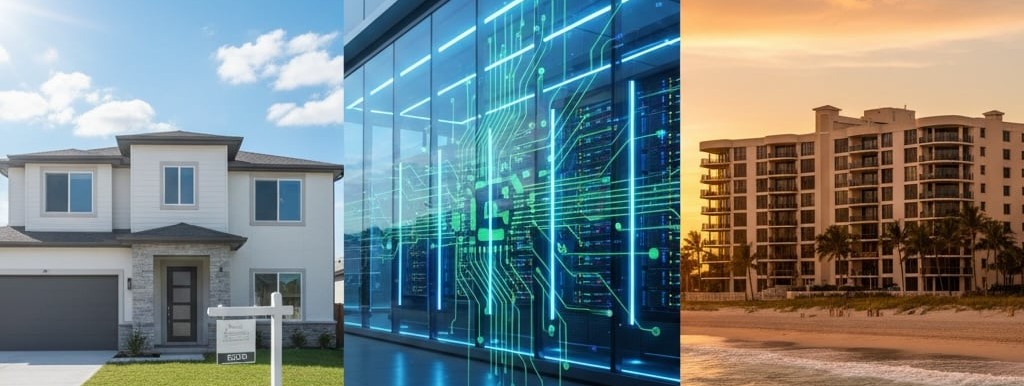
2026 Real Estate Market: Price Dips, Data Centers, and a Housing Comeback
As 2026 arrives, the U.S. real estate market is entering a phase shaped by new opportunities, subtle price shifts, and a resurgence driven by both traditional housing and innovative property sectors. Whether you’re a buyer, seller, or industry professional, the coming year is set to deliver actionable insights and evolving investment landscapes.
Nationwide Shifts: A 2026 Sales Comeback
After years marked by escalating prices and gradually slowing sales, 2026 brings optimism for a broad segment of the market. The National Association of REALTORS® (NAR) anticipates a roughly 14% jump in residential home sales, with affordability improving in several major cities. While overall home values are predicted to remain steady, modest price dips may occur in some of the largest 100 U.S. markets. Eased mortgage rates—expected to retreat from previous highs—are helping more first-time buyers enter the market, further fueling this comeback.
What’s Driving the Change?
- Mortgage relief: Predicted drops in mortgage rates lower barriers for new homeowners and help unlock pent-up demand.
- Increased supply: Homebuilders are catching up on inventory, relieving pressure on prices and giving buyers more options.
- Urban to suburban migration: Shifts in work patterns, hybrid schedules, and lifestyle priorities continue to reshape city, suburban, and exurban demand trends.
Florida’s 2026 Real Estate Story
Florida enters 2026 as one of the most closely watched housing markets in the country. After years of rapid price growth and intense competition, many metro areas across the state are shifting into a more balanced environment, with some seeing flatter prices or gentle declines rather than the steep appreciation of previous years. At the same time, long-term demand is still underpinned by steady in-migration, retirement-driven moves, and Florida’s strong appeal as a lifestyle and second-home destination.
Buyers in Florida’s previously overheated markets may finally encounter more negotiating power and slightly better affordability, especially in areas that saw aggressive construction and investor activity. Sellers, on the other hand, must be more strategic on pricing, presentation, and timing—especially in coastal and condo-heavy communities where insurance costs, HOA fees, and special assessments play a major role in monthly affordability. For investors, Florida in 2026 looks less like a pure fast-appreciation play and more like a selective, long-term opportunity focused on quality locations, resilient neighborhoods, and properties that can weather both economic and climate-related shifts.
Data Centers and Senior Housing: The New Investment Hotspots
According to the PwC/Urban Land Institute “Emerging Trends in Real Estate 2026” report, data centers and senior housing are the top property types on investor watchlists. Data centers are benefiting from explosive demand driven by cloud computing, AI, and digital infrastructure, with power, connectivity, and zoning emerging as critical site-selection factors. This niche is now viewed as both relatively secure and highly profitable, drawing capital from institutional funds, REITs, and private investors who want exposure to long-term digital trends.
Senior housing is also entering a powerful growth phase as the U.S. population ages, especially as more Baby Boomers move into their 70s and 80s. Modern, amenity-rich communities that blend healthcare, wellness, and lifestyle are in high demand, leading to new development models that go beyond traditional assisted living. For investors, these properties can offer durable occupancy and income streams when thoughtfully located and professionally managed.
Regulatory Changes: Navigating New State Rules
With the market’s transformation come new regulations. Several states are tightening real estate licensing requirements, putting greater emphasis on digital education, compliance, and consumer transparency in 2026. Real estate professionals are advised to regularly check their state’s updated mandates, as adjustments may impact both entry requirements and ongoing continuing education.
Implications for Buyers, Sellers, and Industry Pros
For Buyers
- More chances for better deals in select metro areas as prices stabilize or dip.
- Eased lending standards and lower rates make purchasing more accessible—especially for first-time buyers.
For Sellers
- Higher demand and more transactions, even if price appreciation is modest compared with past years.
- Sellers in specialist property types (like data centers or senior housing) may see premium offers driven by investor demand.
For Real Estate Professionals
- Staying informed and agile is essential to capitalize on new property classes and changing regulation.
- Digital marketing, compliance, and specialized expertise are crucial success factors in 2026.
Looking Ahead: Key Takeaways for 2026
- Localized opportunities: Expect price dips and improved affordability in certain cities, while other markets maintain steady growth.
- Niche sectors booming: Data centers and senior housing lead the charge, creating new avenues for diversification.
- Regulation-driven environment: Ongoing adaptation to licensing, disclosure, and compliance requirements is critical for long-term success.
Whether you’re considering buying, selling, or repositioning your real estate business, staying flexible and informed will be vital in 2026. Monitor local trends, keep up with licensing or compliance changes, and watch for emerging property types reshaping the investment landscape.